
Oct 10, 2026Filter Knowledge
What Is a Compressed Air Filter and How Does It Work?
Explain how an in-line filter removes solid particles, liquid water, and oil aerosol, while distinguishing the housing, element, drain, and...
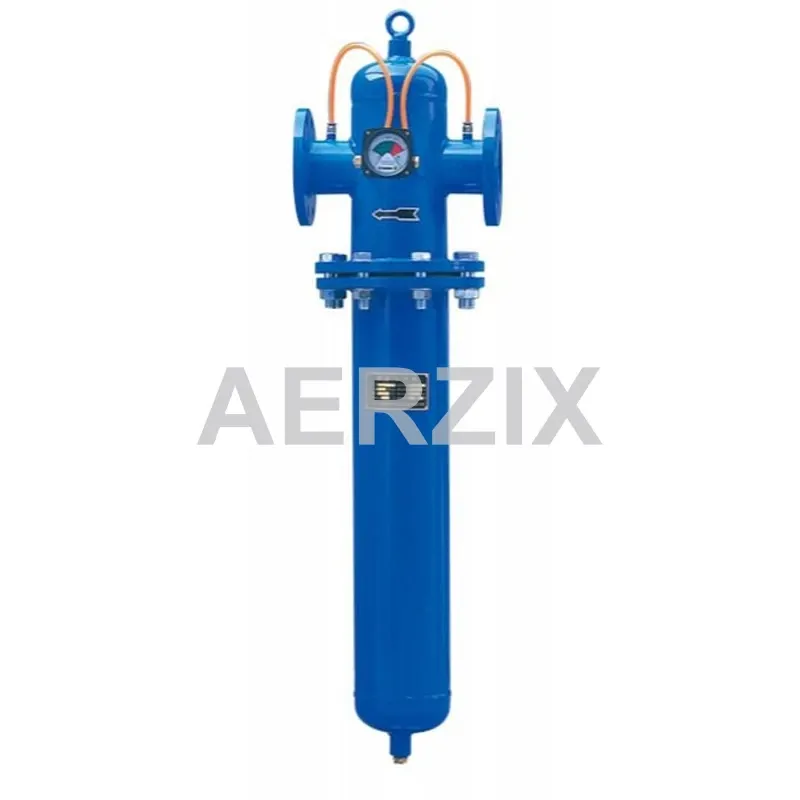
Explain how an in-line filter removes solid particles, liquid water, and oil aerosol, while distinguishing the housing, element, drain, and differential-pressure indicator. This guide is written for compressed-air distributors, service companies, system integrators, and plant maintenance teams. It focuses on the information needed to specify, compare, maintain, or source the product without relying on unsupported performance assumptions.
Quick answer
The short answer is to match the product to the complete application, not to a single visible feature. Confirm identification, operating conditions, required function, physical connection or fit, and the evidence behind each technical claim. When any of those inputs is uncertain, record the uncertainty and ask for a technical review before ordering.
The contaminants found in compressed air
This part of the subject establishes the technical baseline. Begin with the installed equipment and the result the system must deliver. Record the available nameplate, drawing, part number, measurement, or operating data before comparing products. A familiar product name is not a substitute for a defined technical requirement.
Separate confirmed facts from assumptions. A field measurement, catalogue value, and value copied from an old quotation may have different reliability. Label the source of each input and ask the supplier to identify any value that still needs verification. This creates a usable record for approval and reordering.
How the housing and element separate contamination
This comparison often reveals why two products that look interchangeable are not necessarily equivalent. Dimensions, materials, internal construction, rated conditions, and test methods can differ even when the external connection appears similar. Compare like with like and keep the relevant operating condition beside every value.
Use a comparison sheet with one row for each requirement and separate columns for the installed item and proposed replacement. Mark deviations explicitly. If a supplier states that a difference is acceptable, retain the explanation with the approved quotation instead of relying on an informal message.
Why one filter stage cannot solve every air-quality problem
The decision should be checked against the complete system. Upstream contamination, downstream sensitivity, installation orientation, maintenance access, and simultaneous demand may all change the result. A component cannot compensate for an unsuitable system arrangement or an uncontrolled source of contamination.
Review the installation drawing or equipment manual before final selection. Confirm what sits immediately upstream and downstream, how the component is isolated, and whether service work can be completed safely. These details often explain field failures that would otherwise be blamed on the replacement part.
Where filtration fits in a complete air-treatment system
This step converts the technical comparison into an operating decision. Define what will be inspected, which value or symptom triggers action, who records the result, and how a replacement is verified. A simple record of model, date, condition, and reason for change is more useful than an undocumented routine.
For purchasing, place the final information in a structured RFQ. State units, normal and maximum conditions, quantity, destination, and document or packaging requirements. The supplier can then identify missing fields, explain the basis of the proposed match, and keep the quotation traceable.
Selection and purchasing checklist
• Identify the installed equipment, application, and exact service position.
• Record operating pressure, temperature, flow or duty, environment, and connection or fitment data.
• Define the contaminant, noise, protection, or maintenance problem that must be solved.
• Compare documented specifications and test conditions rather than product names alone.
• Confirm materials, seals, orientation, installation clearance, and safe maintenance access.
• Approve the final model, revision, quantity, packaging, and required technical documents in writing.
Important limitations
• A filter should be selected from verified operating conditions, not from pipe size alone.
• A complete installation also needs a suitable condensate drain and enough clearance for element replacement.
• Verify final dimensions, ratings, materials, and performance against the approved AERZIX specification before publication or purchase.
Frequently asked questions
Can I select this product from the compressed air filter name alone?
No. The keyword describes a product family or problem, but the final selection needs operating and dimensional data for the exact application.
Is a similar-looking part automatically interchangeable?
No. External appearance cannot confirm internal construction, fit, material compatibility, capacity, or documented performance.
What should I send with an RFQ?
Send the existing model or part number, clear photos, dimensions or connection data, working conditions, application, quantity, destination, and required documents.
How should a proposed alternative be approved?
Compare the supplier's offered specification with the application requirements, resolve every deviation, and approve the exact revision before production or installation.
Request a product review
Send AERZIX the required flow, working pressure, inlet temperature, connection size, target air quality, and installation position. We will review the configuration and identify the information still needed before quotation.
Explore related products: AERZIX AirGuard